
Couples therapy
Couples therapy helps you understand the patterns that again and again create distance, conflict or a feeling of being alone in the relationship, and supports rebuilding emotional safety and closeness.
Family & couples therapy
Family and couples therapy helps you understand what is happening between you, rebuild connection, and create more safety and closeness.
Annemari Muru · family therapy trainee and psychology student

Is this familiar
Experiencing relationship difficulties doesn't mean something is broken for good. More often it means that something needs to be noticed, someone needs to be understood, someone needs comfort.
Relationship patterns can feel very permanent, but they can be understood and changed.
Services
You can come alone, with your partner, or with your whole family — we start from where you are.
Couples therapy helps you understand the patterns that again and again create distance, conflict or a feeling of being alone in the relationship, and supports rebuilding emotional safety and closeness.
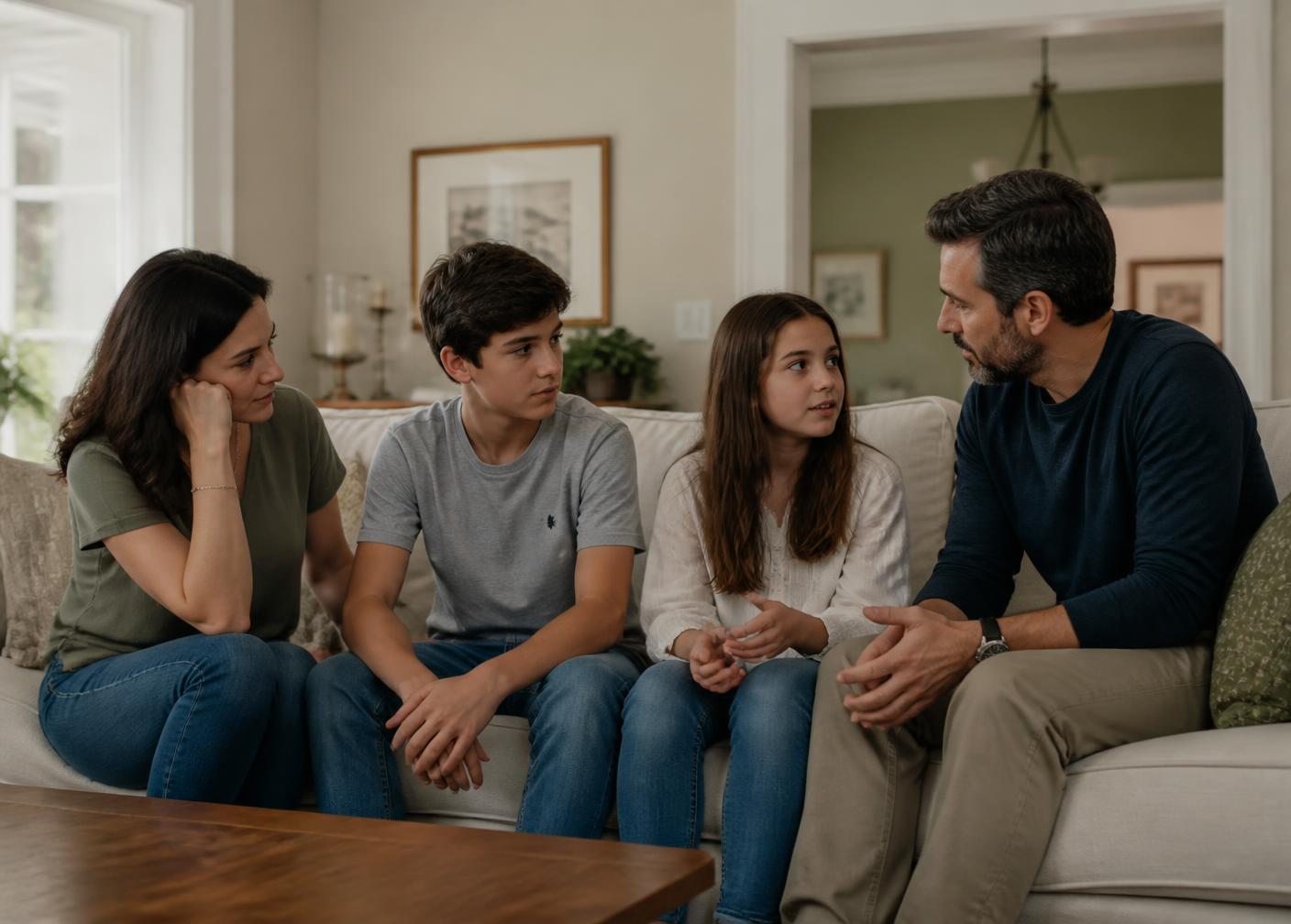
In family therapy we look at difficulties in the context of relationships: the family as a whole, not only one person. We look for the patterns that get in the way of coping, and for new ways of talking with each other.
I also guide the web-based self-help programme iFightDepression®.
EFT — emotion-focused therapy
Underneath relationship conflicts there is usually something more important than who left the dishes in the sink.
When a relationship hurts, we start protecting ourselves. One attacks or criticises, the other goes quiet or withdraws. From the outside it looks like a fight or indifference.
More often, behind this behaviour is fear: fear of losing the one we love, the feeling of not mattering to the other person, the pain of not being understood. Being held, understood and protected are human attachment needs that we all have.
Emotion-focused therapy (EFT) works with feelings and the need for closeness — and with the restrictions that keep negative patterns in place.
The storm of fighting sweeps us along despite our best intentions. We learn to recognise it — and to say “stop”!
Behind withdrawing or reacting sharply there usually isn't indifference. There is fear of losing the one we love, loneliness, the feeling of not being understood.
We practise speaking to each other in a way the other person can hear — without attacking, hurting, or withdrawing.
When it becomes possible to turn towards each other again, a sense of safety appears, and change and closeness grow from there. “I am here for you!”
Therapist
My work begins with creating a safe atmosphere in the therapy room. In a safe space you can slow down, breathe, and say out loud the things that stay unspoken everywhere else.
My style is direct and human — a little humour, a lot of understanding, and zero unnecessary complication. In the therapy room we are not looking for someone to blame. Together we look for what is really happening between you. We look for feelings, needs, and being noticed. We heal wounds, create clarity, and practise ways of behaving that take care of yourself and spare the other person.
I am Annemari Muru — a family therapy trainee and psychology student. I am studying on the second-level curriculum to become a psychotherapist for families and studying psychology as continuing education at the University of Tartu.
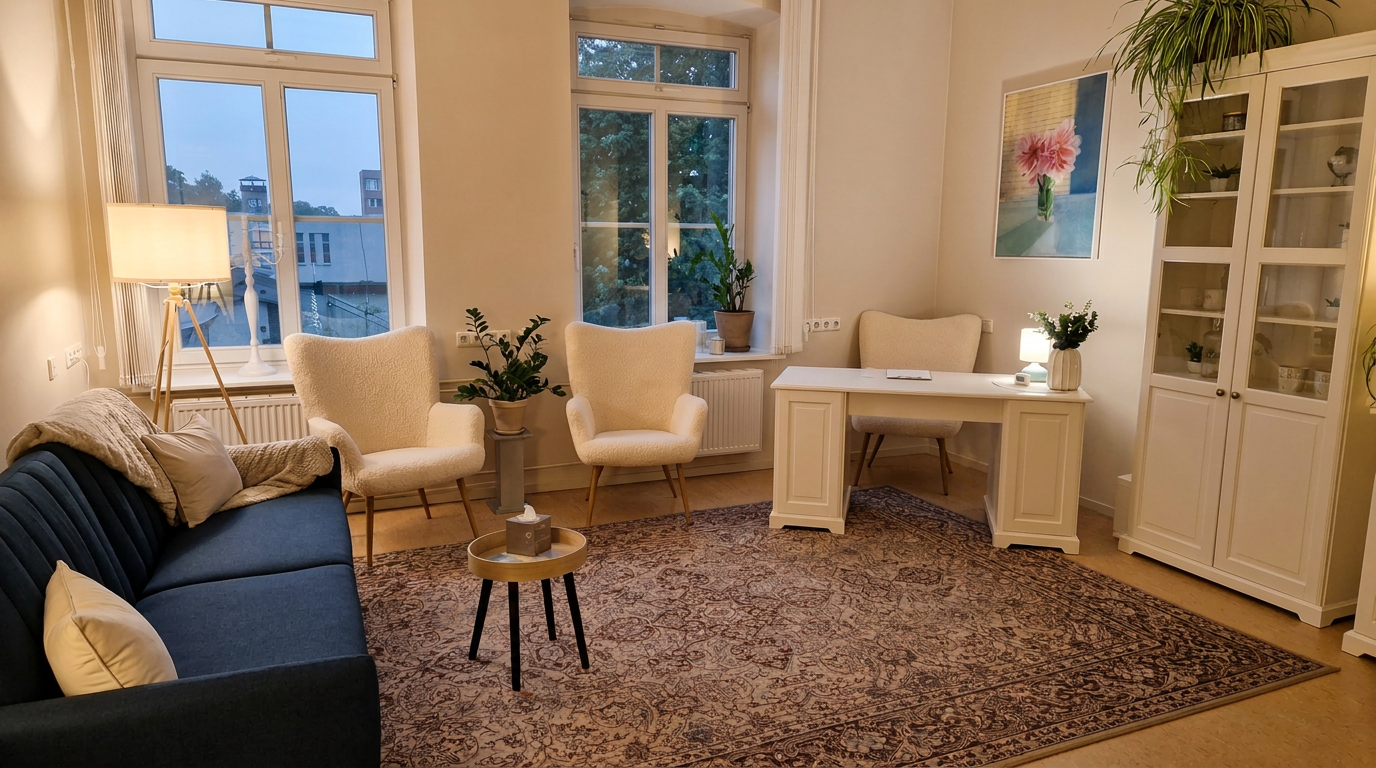
BEFORE THE FIRST SESSION
A therapy session is a safe time and space where you can gain clarity about what is happening between people. Without blaming, without unnecessary drama, and without the need to carry everything alone.
You tell me, in your own words, what has brought you to therapy. I listen, I ask, and I help put what matters together. Nothing needs to be prepared in advance.
We talk about what you expect from this work and which way we are heading. You decide the pace and the topics.
Therapy is not a courtroom. I don't hand out verdicts or take sides.
We look at repeating situations frame by frame, to understand the pattern and to try a new way of responding to each other.
Prices
You can pay by invoice or in cash. A session can be cancelled up to 24 hours before the agreed time; with less notice, the full session fee applies.
Contact
First step